

Expert Sustainability Services for Your Business
Achieving Net Zero targets and managing carbon emissions effectively requires specialist expertise. EmmersonWills now provides comprehensive carbon reduction and sustainability services, designed and delivered by a trusted specialist partner.
Our approach is simple: create carbon management solutions that work for your business, are practical for your teams to implement, and deliver measurable results without unnecessary complexity.

Carbon Reduction Services Available
Our partner specialises in helping UK organisations understand, measure, and reduce their carbon footprint whilst identifying cost-saving opportunities. Services cover the complete sustainability journey from initial measurement through to ongoing carbon management and Net Zero achievement.
Carbon Accounting & Footprinting
Comprehensive measurement and reporting of greenhouse gas emissions across Scope 1, 2, and 3. This includes calculating your baseline carbon footprint, embedding carbon accounting into your organisation, managing ongoing data, and reporting emissions on your behalf where required. Carbon accounting identifies where emissions originate within your operations and supply chain, enabling targeted reduction efforts in the most impactful areas.
Carbon Reduction Plans
Development of robust carbon reduction strategies that outline clear, practical steps your organisation will take to reduce emissions and work towards Net Zero by 2050. These plans build on your carbon footprinting work, turning data into meaningful action with achievable targets, realistic timescales, and alignment with your wider business strategy. Carbon Reduction Plans meet compliance requirements including PPN 006, whilst providing a practical roadmap for genuine emissions reduction.
Energy Management & Procurement
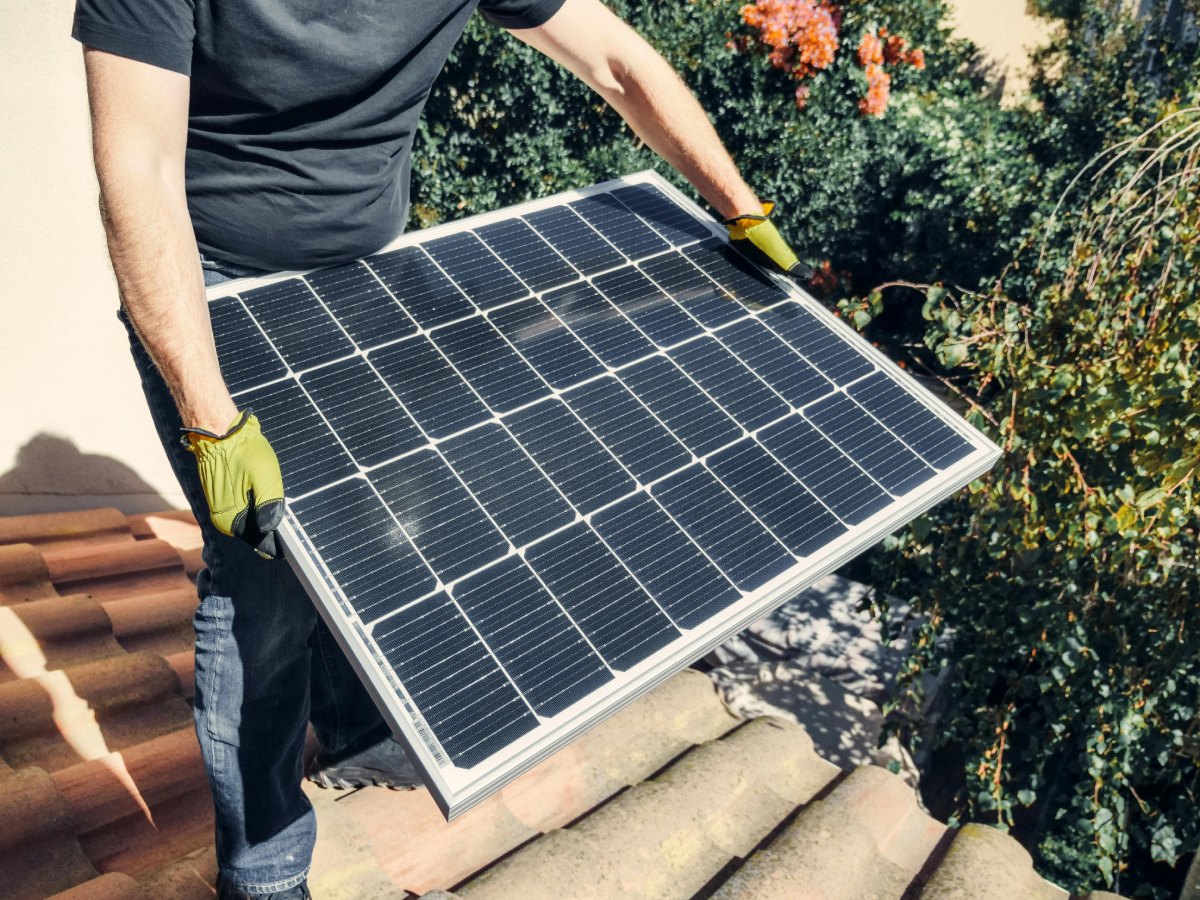
Strategic energy sourcing that reduces both costs and carbon emissions. This includes assessing electricity, gas, and water consumption, identifying energy wastage through consumption anomalies, negotiating renewable energy contracts, calculating potential savings from renewable solutions like solar panels and heat pumps, and implementing ongoing energy monitoring and management. Smarter energy procurement simultaneously lowers operational costs and reduces environmental impact.
Carbon Literacy Training
Practical training that provides teams with a clear understanding of climate science, carbon emissions, and how everyday business operations contribute to climate change. Training equips individuals and organisations with strategies for reducing emissions, confidence to influence positive actions, and frameworks for building a sustainability culture. Training is tailored to organisational needs and designed for immediate practical application.
Life Cycle Assessments
Comprehensive evaluation of environmental impacts across a product's entire lifespan from raw material extraction through production, transport, usage, and disposal. Life Cycle Assessments provide detailed Product Carbon Footprints that enable better stakeholder communication, meet regulatory requirements, and identify opportunities for emissions reduction and sustainability improvements throughout supply chains.
Carbon Offsetting
Ethical offsetting through carefully evaluated projects that remove or reduce emissions. Offsetting complements robust reduction efforts rather than substituting for action. All offsetting initiatives are qualified before purchase with preference for local and UK-based projects, ensuring investments make measurable differences whilst avoiding greenwashing pitfalls.
Sustainability Consultancy
Broader sustainability guidance that embeds environmental practices into core operations. This includes tailored sustainability consulting aligned with organisational goals, bespoke Environmental Management Systems, environmental action planning, and clear communication strategies that avoid greenwashing whilst demonstrating genuine impact.

Why Carbon & Sustainability Services Matter
Carbon reduction and Net Zero commitments have transitioned from optional initiatives to business imperatives. Regulatory requirements, including Streamlined Energy and Carbon Reporting (SECR), procurement standards like PPN 006, and stakeholder expectations increasingly demand demonstrable carbon management and reduction efforts.
Beyond compliance, carbon reduction delivers tangible business benefits. Organisations that measure and reduce emissions typically identify significant cost-saving opportunities through improved energy efficiency, reduced waste, and optimised resource use. These operational improvements strengthen bottom lines whilst reducing environmental impact.
Customer and investor expectations increasingly favour organisations with credible sustainability credentials. Carbon footprinting, reduction planning, and transparent reporting build trust, enhance reputation, and provide competitive advantages in tenders and contracts where sustainability performance influences selection decisions.
For organisations with ISO 14001 environmental management systems, carbon reduction services provide a natural extension and enhancement. ISO 14001 establishes environmental management frameworks, whilst carbon services deliver specific measurement, targeting, and reduction capabilities that strengthen environmental performance and ESG reporting credibility.
Integration with ISO Management Systems
Carbon reduction services integrate effectively with ISO certification, particularly ISO 14001 environmental management. Organisations pursuing or holding ISO 14001 benefit from carbon footprinting that quantifies environmental impacts, reduction plans that demonstrate continual improvement commitment, and energy management that addresses significant environmental aspects.
The combination creates comprehensive environmental management covering both systematic processes (ISO 14001) and specific carbon reduction actions. This integrated approach satisfies regulatory requirements, meets certification standards, and delivers measurable environmental and financial benefits.
For organisations pursuing multiple ISO standards including ISO 9001 and ISO 45001, adding carbon management demonstrates broader commitment to responsible business practices across quality, safety, and environmental performance. This comprehensive approach strengthens tender responses, satisfies diverse stakeholder expectations, and positions organisations as leaders in sustainable operations.

Who Needs Carbon Reduction Services?
Carbon reduction and sustainability services benefit organisations across all sectors, with particular relevance for specific situations:
- Organisations facing regulatory requirements, including SECR compliance, PPN 006 procurement standards, or sector-specific environmental reporting obligations, require professional carbon accounting and reporting to satisfy legal and contractual obligations.
- Businesses pursuing Net Zero commitments need systematic approaches to measuring current emissions, setting science-based reduction targets, implementing reduction strategies, and tracking progress towards Net Zero goals.
- Companies responding to stakeholder expectations from investors, customers, employees, or supply chain partners demanding transparency and action on climate change require credible carbon footprinting, reduction planning, and clear communication of sustainability efforts.
- Organisations seeking competitive advantages in tenders and contracts where sustainability performance influences selection decisions benefit from demonstrable carbon management, verified reduction achievements, and professional sustainability credentials.
- Businesses wanting cost savings through improved energy efficiency, reduced waste, and optimised resource use gain from energy management services that simultaneously cut costs and reduce emissions.
- Companies with ISO 14001 certification seeking to enhance environmental management with specific carbon measurement and reduction capabilities strengthen their environmental performance and ESG reporting through integrated carbon services.
- Organisations in construction, manufacturing, engineering, professional services, hospitality, waste management, technology sectors, and SMEs across industries all face increasing pressure and opportunity to manage carbon emissions effectively.
The Simplified Approach to Carbon Management
Carbon reduction can appear overwhelming with complex calculations, multiple emission scopes, extensive data requirements, and changing regulatory landscapes. The simplified approach removes this complexity whilst ensuring accuracy and compliance.
Services are delivered in clear, manageable stages starting wherever your organisation currently sits on the sustainability journey. Whether beginning with initial carbon footprinting or implementing comprehensive reduction strategies, support is tailored to your circumstances and capacity.
The focus remains on practical actions that deliver measurable results rather than creating bureaucratic processes. Carbon accounting embeds into existing operations, reduction plans outline achievable steps aligned with business realities, and energy management identifies genuine cost-saving opportunities alongside emissions reductions.
Data gathering and reporting processes are streamlined to minimise administrative burden. Technology platforms simplify carbon tracking and reporting whilst expert guidance ensures calculations are accurate, compliant with standards, and suitable for stakeholder communication.
Throughout the process, the emphasis stays on making sustainability practical, achievable, and integrated into core operations rather than treating it as separate compliance exercise. This approach ensures carbon reduction efforts are sustainable, deliver genuine impact, and support business objectives rather than conflicting with operational priorities.


Taking the next step
If carbon reduction, Net Zero planning, or sustainability services align with your business objectives or regulatory requirements, EmmersonWills can facilitate your access to specialist carbon expertise through our partnership.
Carbon management doesn’t need to be complex or overwhelming. With proper support, measuring emissions, developing reduction strategies, and achieving Net Zero targets becomes systematic and manageable rather than daunting.
Ready to address your carbon reduction and sustainability needs?
Contact EmmersonWills to discuss your carbon management requirements. We’ll assess your circumstances, explain available services, and connect you with the carbon reduction specialists who can support your sustainability journey.
Get in touch with us today to explore how carbon reduction and Net Zero services can benefit your organisation whilst maintaining the simplified, practical approach you expect from working with EmmersonWills.
Frequently Asked Questions About Carbon Reduction Services
What is carbon footprinting?
Carbon footprinting measures the total greenhouse gas emissions produced by your organisation across all operations and activities. Emissions are categorised into Scope 1 (direct emissions from owned sources), Scope 2 (indirect emissions from purchased energy), and Scope 3 (other indirect emissions from supply chain, business travel, waste, and product use). Carbon footprinting provides the baseline understanding necessary for developing reduction strategies.
Do we need carbon services if we already have ISO 14001?
ISO 14001 provides environmental management system frameworks, but doesn’t specifically measure or target carbon emissions. Carbon services complement ISO 14001 by adding detailed carbon footprinting, specific reduction targets, and carbon accounting that strengthen environmental performance and ESG reporting. Many organisations combine ISO 14001 with carbon services for comprehensive environmental management covering both systematic processes and specific carbon reduction.
What is a Carbon Reduction Plan and do we need one?
A Carbon Reduction Plan outlines the specific actions your organisation will take to reduce greenhouse gas emissions and work towards Net Zero by 2050. Many procurement processes (including PPN 006 for public sector contracts) require Carbon Reduction Plans. Beyond compliance, these plans provide practical roadmaps for achieving emission reductions whilst identifying cost-saving opportunities through improved efficiency.
How long does carbon footprinting take?
Timeline depends on organisation size, complexity, and data availability. Initial carbon footprinting for smaller organisations with readily available data can be completed within 4-6 weeks. Larger organisations or those with complex supply chains may require 2-3 months for comprehensive Scope 1, 2, and 3 assessment. The process can begin wherever your data currently sits, building comprehensive footprints over time.
What is SECR and does it apply to us?
Streamlined Energy and Carbon Reporting (SECR) requires UK companies meeting certain criteria to report energy usage, greenhouse gas emissions, and energy efficiency measures in annual reports. SECR applies to quoted companies, large unquoted companies, and large Limited Liability Partnerships exceeding two of three thresholds: 250+ employees, £36M+ turnover, or £18M+ balance sheet. Professional carbon accounting ensures SECR compliance when applicable.
How much do carbon reduction services cost?
Costs vary based on organisation size, service scope, and complexity. Initial carbon footprinting for small businesses typically starts from several hundred pounds, whilst comprehensive carbon management including footprinting, reduction planning, and ongoing accounting for larger organisations requires larger investment. Contact us to discuss your specific requirements for tailored pricing guidance.
Can carbon reduction services save us money?
Yes, carbon reduction typically identifies significant cost-saving opportunities. Energy management services uncover wastage and secure better procurement rates. Efficiency improvements that reduce emissions simultaneously reduce operational costs. Many organisations find carbon reduction efforts pay for themselves through energy savings, reduced waste costs, and operational efficiency gains whilst delivering environmental benefits.
What is carbon offsetting and should we use it?
Carbon offsetting compensates for emissions by investing in projects that remove or reduce emissions elsewhere (reforestation, renewable energy, methane capture). Offsetting should complement reduction efforts, not substitute for them. The recommended approach involves measuring your footprint, setting reduction targets, taking action to reduce emissions, then offsetting remaining emissions through ethical, verified projects. Offsetting without reduction efforts risks greenwashing accusations.
How does carbon management help with tenders and contracts?
Many tenders (particularly public sector through PPN 006) require Carbon Reduction Plans or evidence of carbon management. Even when not mandatory, demonstrable sustainability credentials provide competitive advantages. Buyers increasingly evaluate suppliers on environmental performance, carbon reduction commitments, and ESG credentials. Professional carbon management provides the evidence and documentation that strengthens tender responses.
What is Net Zero and how do we achieve it?
Net Zero means balancing greenhouse gas emissions produced with emissions removed from atmosphere, resulting in zero net emissions. The UK government targets Net Zero by 2050. Achieving Net Zero requires measuring your current footprint, setting science-based reduction targets, implementing systematic reduction actions across all emission scopes, and offsetting remaining emissions through verified projects. Net Zero is a journey requiring sustained commitment and professional support.